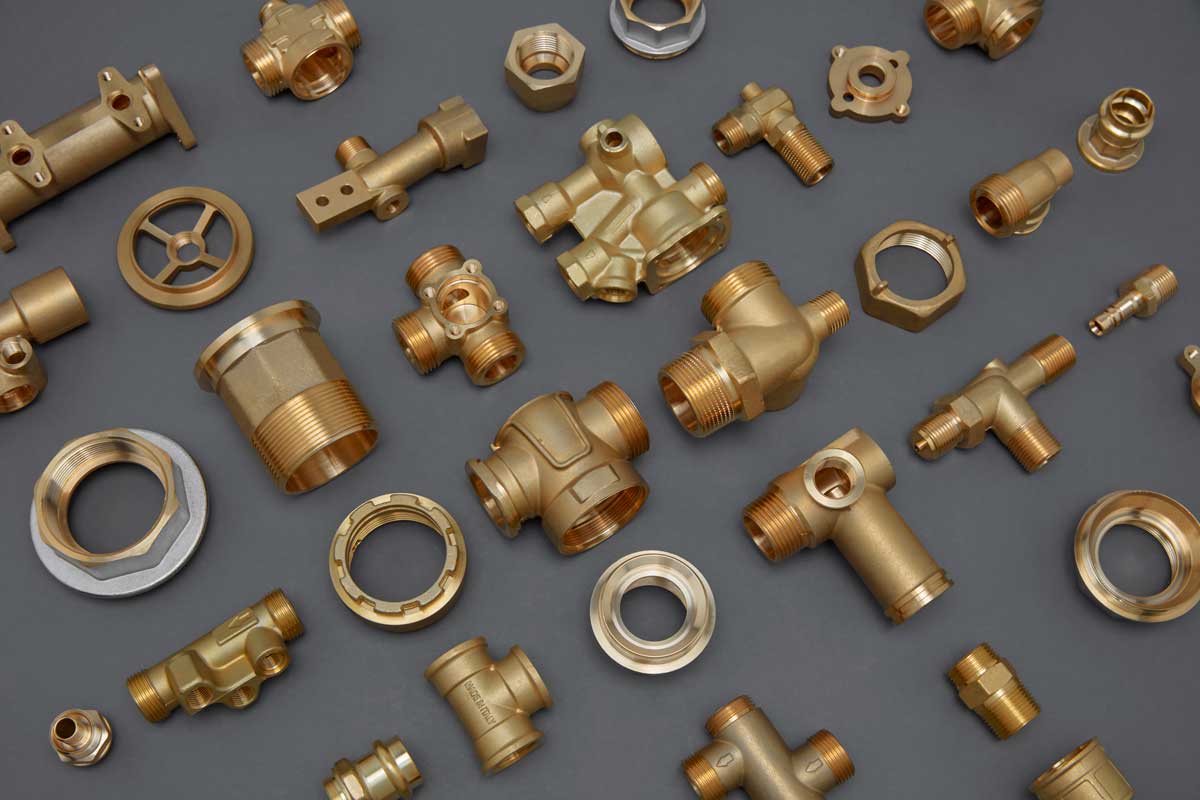
We are the ideal partner to guide you through the transition to lead-free alloys, as required by the European DWD and RoHS-2 regulations.
These materials offer better performance than traditional lead alloys but are also more complex to process—a challenge that has led us to update our production process. We are constantly evolving to always offer you qualified technical support in a regulatory environment that is constantly changing.
Regulations
Drinking water
Directive applicable to all manufacturers and users of products in the European market, establishing migration limits for certain substances in materials intended to come into contact with water intended for human consumption. Specifically, it mandates a reduction in the lead limit in water from 10 μg/L to 5 μg/L at the point of use, no later than 2036.
Electrical and Electronic Field
Specifically, it allows the presence of compounds containing up to 4% lead in copper alloys (brass), otherwise limited to a concentration of 0.1% by weight. The restrictions on the use of lead take effect at June 30, 2027.
Chemical composition
| Cu | Al | Fe | Ni | Pb | Sn | Zn | Others (tot.) | Spec. weight g/cm3 |
|---|---|---|---|---|---|---|---|---|
| 57,0<>59,0 | 0,00<>0,05 | 0,00<>0,30 | 0,00<>0,20 | 0,00<>0,10 | 0,00<>0,30 | Balance | 0,00<>0,05 | 8,4 |
| Cu | Al | Fe | Ni | Pb | Sn | Zn | Others (tot.) |
|---|---|---|---|---|---|---|---|
| 61,5<>63,5 | 0,00<>0,05 | 0,00<>0,10 | 0,00<>0,30 | 0,00<>0,10 | 0,00<>0,10 | Balance | 0,00<>0,20sp |
| Cu | Si | P | Pb | Ni | Mn | Al | Fe | Sn | Zn | Others (tot.) | Spec. weight g/cm3 |
|---|---|---|---|---|---|---|---|---|---|---|---|
| 75,0<>77,0 | 2,70<>3,50 | 0,02<>0,10 | 0,00<>0,10 | 0,00<>0,20 | 0,00<>0,05 | 0,00<>0,05 | 0,00<>0,30 | 0,00<>0,30 | Bil. | 0,00<>0,20 | 8,3 |
Applications and mechanical properties
Lead-free brass retains the mechanical properties and corrosion resistance typical of traditional brass alloys, but exhibits some differences, particularly during machining.
Application characteristics
| Alloy | Contact with drinking water | Dezincification resistance (DZR) | Stress corrosion resistance | Main uses |
|---|---|---|---|---|
| CW510L (CuZn42) | yes | no | no | Industrial refrigeration, heat exchangers, components for the electrical industry, connectors, and stamped parts. |
| CW511L (CuZn38As) | yes | yes | yes | Standard alloy for the North American market, suitable for applications in the food, medical, and technical industries. |
| Ecobrass CW724R (CuZn21Si3P) | yes | yes | yes | Water treatment; production of valves, pumps, and precision components for the mechanical, fluid handling, and vending sectors. |
Machining characteristics
| Alloy | Machinability compared to CW617 | Cold formability | Hot formability | Chip removal |
|---|---|---|---|---|
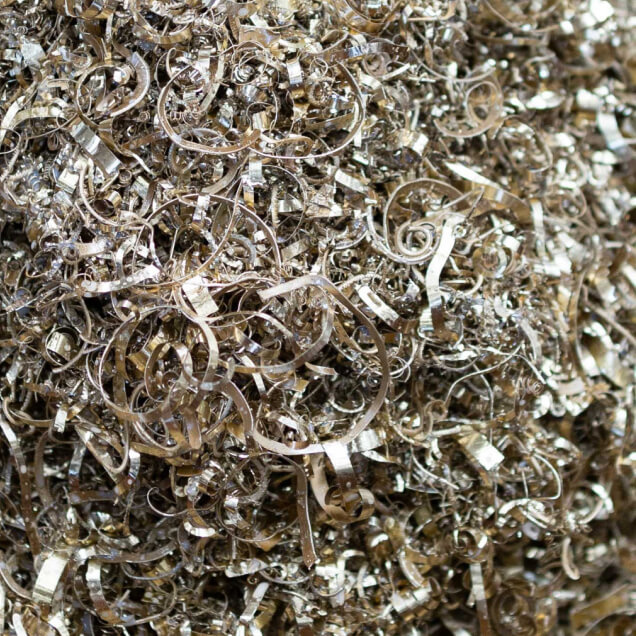
| CW510L (CuZn42) | 85% | poor | very good | Shorter chips that tend to break. Low tool wear. |
| CW511L (CuZn38As) | 50% | good | medium | Medium-length spiral-shaped chips that may break. Moderate tool wear. |
| Ecobrass CW724R (CuZn21Si3P) | 90% | good | very good | Longer chips that tend to coil. Higher tool wear due to the presence of silicon. |