Jun 22, 2026
An overview of the new European regulations on drinking water safety, the reduction of lead leaching and the harmonisation of materials in contact with water.
Directive (EU) 2020/2184, known as the Drinking Water Directive (DWD), represents a significant update to the European regulatory framework governing the quality of water intended for human consumption and the materials that come into contact with it.
The Directive introduces a harmonized European approach to the assessment of materials and products used in drinking water distribution systems, with a particular focus on public health protection and on reducing the release of potentially harmful substances, including lead.
One of the Directive's key changes is the gradual reduction of the parametric value for lead in drinking water:
Current limit: 10 µg/L
New limit: 5 µg/L
Full implementation: by 12 January 2036
The limit applies to water at the point of use (the end user's tap) and takes into account the overall contribution of materials used in both the public distribution network and domestic plumbing systems.
The Directive introduces a harmonized system for evaluating materials intended to come into contact with drinking water, based on the so-called European Positive Lists.
This approach aims to:
harmonize requirements across EU Member States;
improve the safety of materials used in drinking water applications;
reduce differences between national regulations;
facilitate the free movement of products within the European market.
The European Positive Lists define the substances, material compositions and conditions of use permitted for different materials intended to come into contact with drinking water, based on scientific criteria related to substance migration.
The system is currently being implemented progressively.
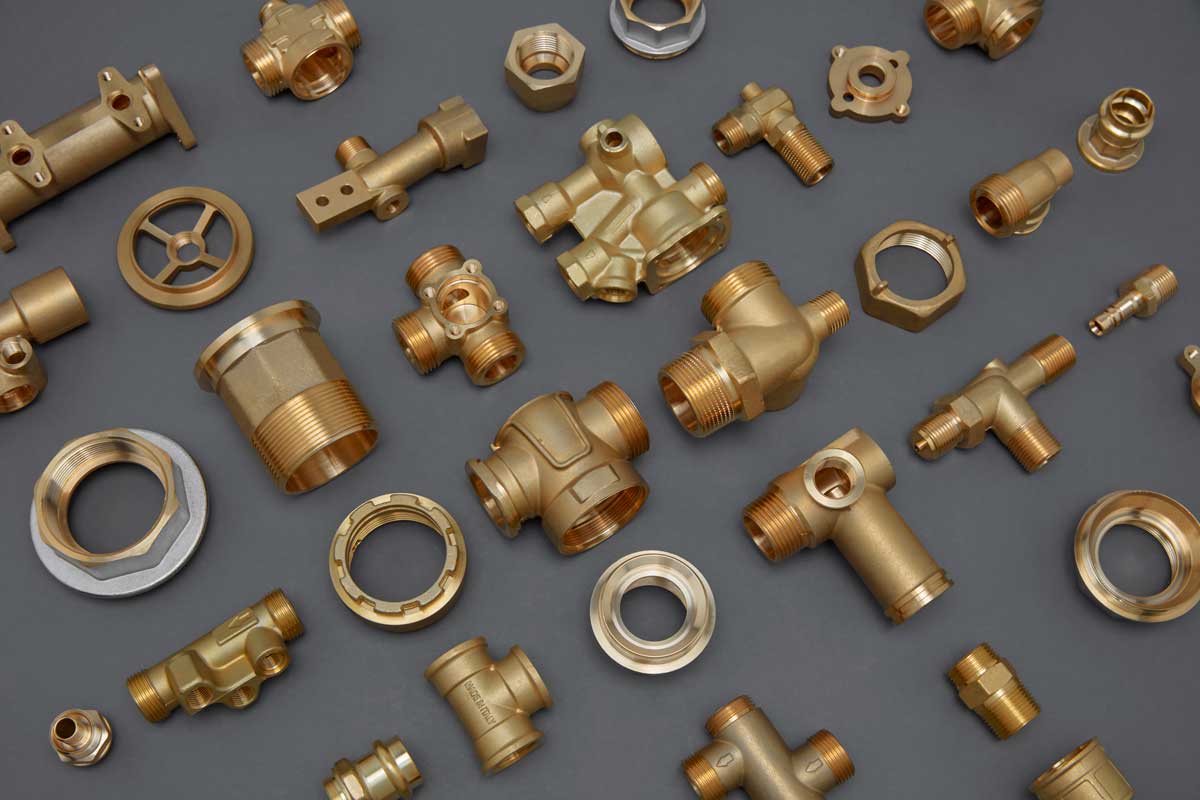
For copper alloys used in valves, fittings and plumbing components, the new European regulatory framework is driving the market towards materials capable of ensuring lower lead release while maintaining high hygienic and technical performance.
In this context, increasing attention is being paid to:
low-lead alloys (e.g. CW509L, CW510L);
lead-free or modified microstructure alloys (e.g. CW724R and similar grades).
The actual eligibility of each alloy depends on its evaluation under the European Positive Lists and on the specific conditions of use established for that material.
The European system provides for a transitional period during which products compliant with existing national certification schemes may continue to be used, provided they comply with the applicable regulations and deadlines.
In general:
national certifications remain valid during the transitional period;
products already placed on the market may continue to be used;
implementation rules may vary from one Member State to another.
This transitional phase enables a gradual shift towards the new harmonized European system.
CW617N alloy (a brass grade with controlled lead content), widely used in the manufacture of plumbing components, is not among the low-lead alloys developed to meet the latest market trends and the evolving regulatory framework.
However:
products already certified under current national requirements;
and compliant with the applicable regulations;
may continue to be marketed and used during the transitional period, in accordance with the conditions established by individual Member States and the European regulatory framework.
The development and ongoing update of the European harmonized system take place within the regulatory framework established by the European Commission, with scientific and technical support from the European Chemicals Agency (ECHA).
The objective is to ensure:
a harmonized approach;
transparent, science-based assessment criteria;
consistent updates over time.
The introduction of the new European framework represents a major step towards:
greater regulatory harmonization across EU Member States;
simplified certification processes;
improved safety of materials intended for contact with drinking water;
the progressive reduction of lead content in metal alloys.
This is an ongoing process involving the entire supply chain, from product design through to manufacturing.
In this evolving regulatory environment, the transition to low-lead alloys represents a strategic opportunity for the industry.
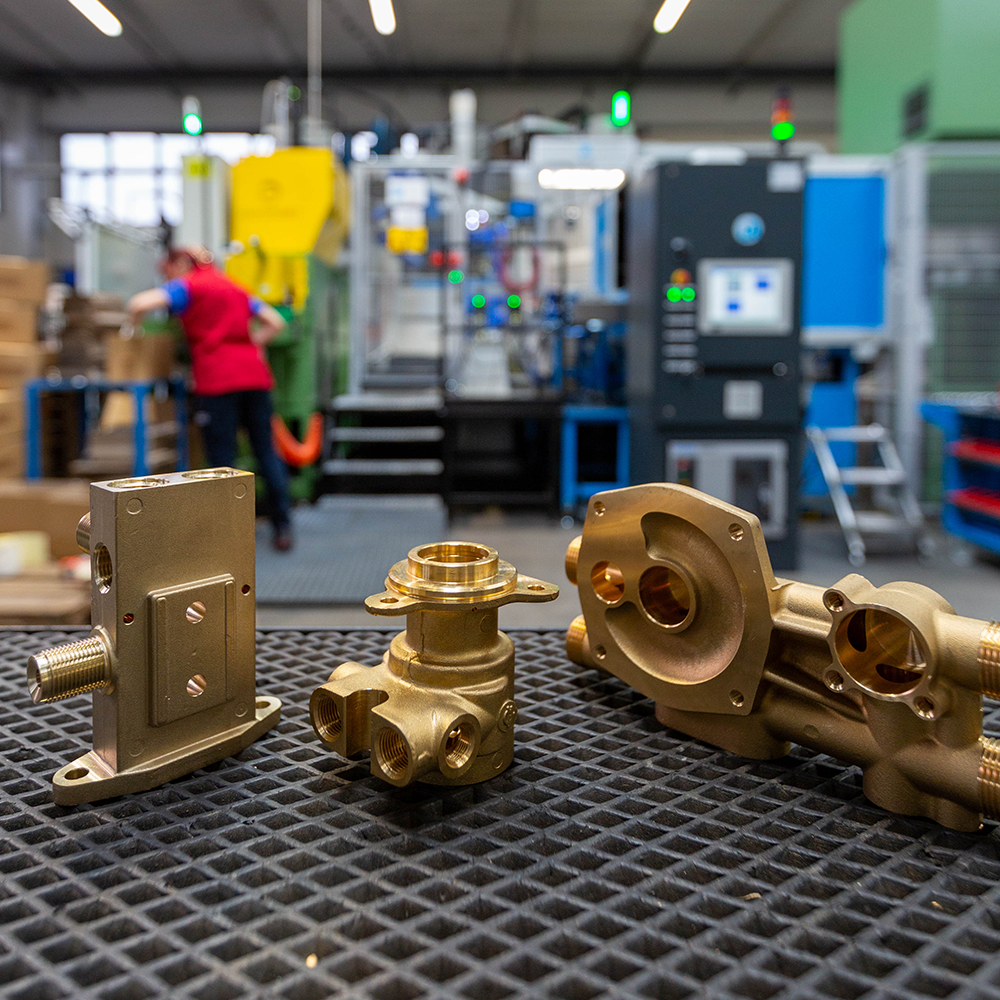
Drawing on our expertise in copper alloy machining, we support customers in the development and production of components that meet the emerging requirements of the European market, providing manufacturing expertise and technical support for materials such as:
CW724R;
CW510L;
other low-lead alloys.
Our goal is to support customers throughout their regulatory and technological transition by providing technical assistance from the earliest stages of product design and industrialization.
For more information, click here.